 |
|
 |
|
 |
|
|
|
 |
|
|
|
 |
|
|
|
 |
|
|
|
|
|
 |
|
New readers,
if you would like to receive an email alert whenever new information about the pine beetle epidemic or any other content is added to our website, write stumpmaker@gmail.com and ask to be added to the Tree farmer Alert email list. It's free!
Cololorado Tree Farmers are a network of land- owners that share forestry resources.
Join Us
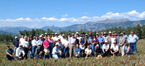
If you would like to join our tours, question our experts, or share information on forest ecology and management with our members, click on the link above.
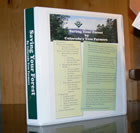
Landowners who become certified Tree Farmers in 2009 will receive the Colorado Tree Farmers forest management manual, Saving Your Forest.
For distance, diameters, heights, basal area, incremental growth, plus flagging, compass, tally sheets, clipboards, photos, maps, vest or pack, hand ax, etc.
Discuss advantages and disadvantages of basal area cruising.Answer to Quiz question
#2:
Disadvantages
Measurements needed at each point or plot.
Show how to determine mean, standard deviation, coefficient of variation, and number of plots needed based upon standard error of the mean and sampling error.
Show how to read volume tables.
Show how to read site index curves.Master Tree Farm Course Tree Farm Technician
|
