
 |
|
 |
|
 |
|
|
|
 |
|
|
|
 |
|
|
|
 |
|
|
|
|
|
 |
|
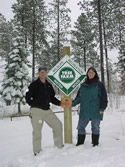
New readers,
if you would like to receive an email alert whenever new information about the pine beetle epidemic or any other content is added to our website, write stumpmaker@gmail.com and ask to be added to the Tree farmer Alert email list. It's free!
Colorado Tree Farmers are a network of land- owners that share forestry resources.

Join Us
If you would like to join our tours, question our experts, or share information on forest ecology and management with our members, click on the link above.
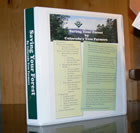
Landowners who become certified Tree Farmers in 2009 will receive the Colorado Tree Farmers forest management manual, Saving Your Forest.
|
Education>Master Tree Farm Course> Tree Farm Technician> BASIC INSECT AND DISEASE MANAGEMENT
Point out that a nuisance insect such as Cooley spruce gall aphid to the production of sawlogs can be a significant deformity problem in the production of Douglas-fir Christmas trees. Use other examples if this one doesn’t fit your area.
Cover the major insect and disease pests. For example, mountain pine beetle and dwarf-mistletoe.
Answer to Quiz Question #7: Answer to Quiz Question #8: Be sure to mention beneficial insects if there are
important ones. For example,
predator insects on mountain pine beetle.
Master Tree Farm Course Tree Farm Technician
|


